



The space immediately surrounding your cooktop is one of the most demanding surfaces in any kitchen. It endures daily heat exposure, grease splatter, and the occasional hot pan set down in a hurry. If you are planning a kitchen remodel in Salt Lake City — or replacing a countertop that has seen better days — understanding heat resistance before you choose a material is one of the most practical decisions you can make. The team at Accent Countertops works with Salt Lake City homeowners every day to match surfaces to the realities of how they cook.
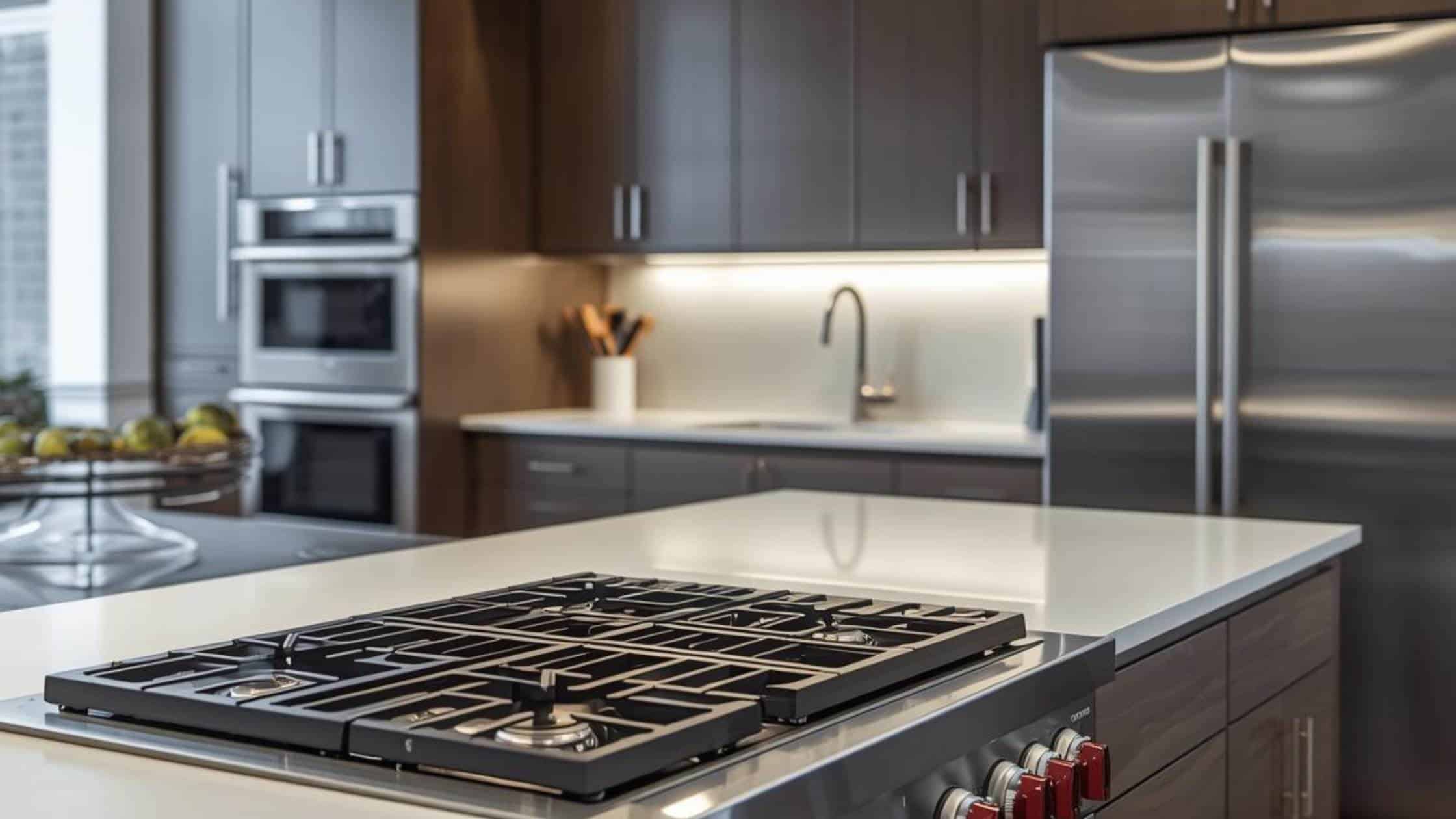
heat resistant countertops near cooktop Salt Lake City
Why the Cooktop Zone Demands Extra Attention
Most countertop materials perform perfectly well under everyday kitchen use. The area near a cooktop is the exception. Cookware lifted from a burner can reach 400°F or higher on the base. Radiant heat from gas burners and the heat cycling of induction cooktops creates a consistent thermal stress zone. Over time, materials that are technically rated as durable can develop discoloration, hairline cracks, or surface degradation if they were not designed with heat in mind.
Understanding the difference between materials that handle this zone well and those that require more careful habits will save you from an expensive surprise a few years down the road.
Granite: The Natural Benchmark
Granite is formed under extreme pressure and temperature deep in the earth, which means it handles household heat with ease. You can set a hot pan directly on granite without causing immediate damage — though using trivets is still good practice to protect the sealer. For the cooktop zone in a Salt Lake City kitchen, granite countertops are one of the most reliably heat-tolerant options available. The surface will not warp, discolor from thermal contact, or develop resin-related issues because there is no resin involved.
One note: the penetrating sealer applied to granite can degrade more quickly in the cooktop zone. Plan on checking and resealing that area annually, or slightly more often if you cook at high heat regularly.
Quartzite and Natural Stone: Heat-Tolerant by Composition
True quartzite — a natural metamorphic stone distinct from engineered quartz — offers excellent heat resistance similar to granite. It handles high temperatures without the polymer sensitivity found in engineered surfaces. Soapstone is another natural stone that manages heat exceptionally well, though its softness means it shows wear in other ways over time. If you love the look of marble but want something more durable near heat, quartzite is worth a conversation with our Salt Lake City design team.
Engineered Quartz: Excellent Performance, Real Limits
Engineered quartz countertops are among the most popular choices for Salt Lake City kitchens, and for good reason. They are non-porous, consistent in appearance, and highly durable under typical kitchen use. Near a cooktop, though, quartz has one significant limitation: the polymer resins that bind the stone particles can discolor, warp, or develop micro-cracks when exposed to sustained or repeated heat above roughly 150°F.
This does not make quartz a poor choice for the cooktop zone — millions of kitchens use it there without issue. But it does require consistent habits. Use trivets every time. Never slide a cast iron pan directly from burner to surface. Avoid thermal shock (cold surface, sudden intense heat). With those habits, quartz holds up well. Without them, you risk warranty-voiding damage that is difficult to repair.
Sintered and Ultra-Compact Surfaces: Maximum Heat Tolerance
Products like Dekton and other sintered stone surfaces are engineered specifically to withstand extreme temperatures. Manufactured at temperatures that exceed what any kitchen can generate, they have near-zero porosity and excellent thermal stability. If your cooking style involves high-heat wok cooking, frequent use of cast iron, or you simply want no concerns about the cooktop zone, sintered surfaces are worth exploring with our team.
The tradeoff is cost — sintered surfaces carry a premium compared to granite or quartz — and they can be more prone to chipping on sharp or unsupported edges.
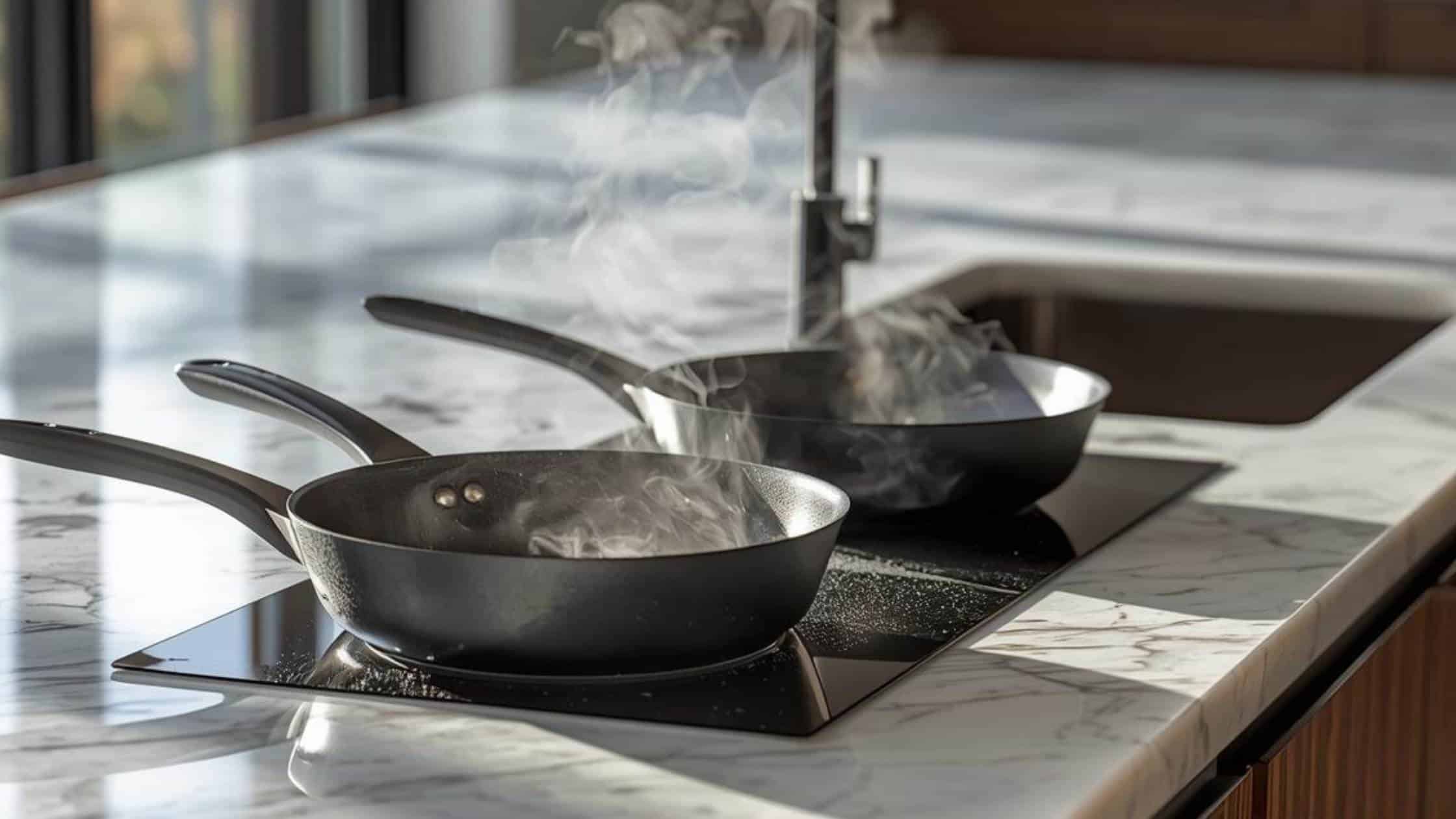
can quartz handle hot pans 2026
Materials to Reconsider in the Immediate Cooktop Zone
- Solid surface (Corian and similar): highly susceptible to scorch marks and heat damage
- Laminate: can bubble, blister, or delaminate with sustained radiant heat
- Tile countertops: grout lines collect grease and staining around burners
- Marble: porous and heat-sensitive compared to granite; chips and stains more easily
Frequently Asked Questions
Can quartz handle hot pans in 2026?
Engineered quartz can tolerate brief incidental warmth, but it is not engineered for direct hot pan contact. A pan pulled from a 400°F burner carries enough thermal energy to cause cracking or resin discoloration on contact. In 2026, the answer is unchanged: quartz near a cooktop requires consistent trivet use. With that habit, it performs well. Without it, you risk damage that is rarely covered under warranty.
What is the best countertop to put directly next to a gas cooktop?
Granite and quartzite are the most forgiving natural stone options near gas burners, which generate radiant heat in addition to contact heat. Sintered surfaces like Dekton offer the highest technical heat tolerance of any countertop material currently available.
Does the climate in Salt Lake City affect countertop heat resistance?
Indirectly. Salt Lake City kitchens that use heavy cast iron cookware for cold-weather cooking may cycle between extreme temperatures more often than kitchens in milder climates. Thermal shock — not just heat — is a risk factor for quartz, so consistent trivet use matters here regardless of season.
Plan Your Salt Lake City Kitchen with Accent Countertops
Whether granite, quartzite, or quartz is the right fit for your kitchen, our team can help you weigh the tradeoffs based on your cooking habits and design goals. Visit the Accent Countertops showroom in Salt Lake City, find us on Google Maps, or browse our kitchen countertop options to start the conversation.