



Granite is one of the most popular countertop materials in Salt Lake City homes — durable, heat-resistant, and beautiful. But it does come with one ongoing maintenance requirement that quartz does not: sealing. Failing to seal your granite on schedule is the most common reason homeowners end up with stains that cannot be cleaned away. This guide from Accent Countertops covers how often to seal, how to test whether your granite needs it now, and a straightforward step-by-step process you can do yourself in under an hour.
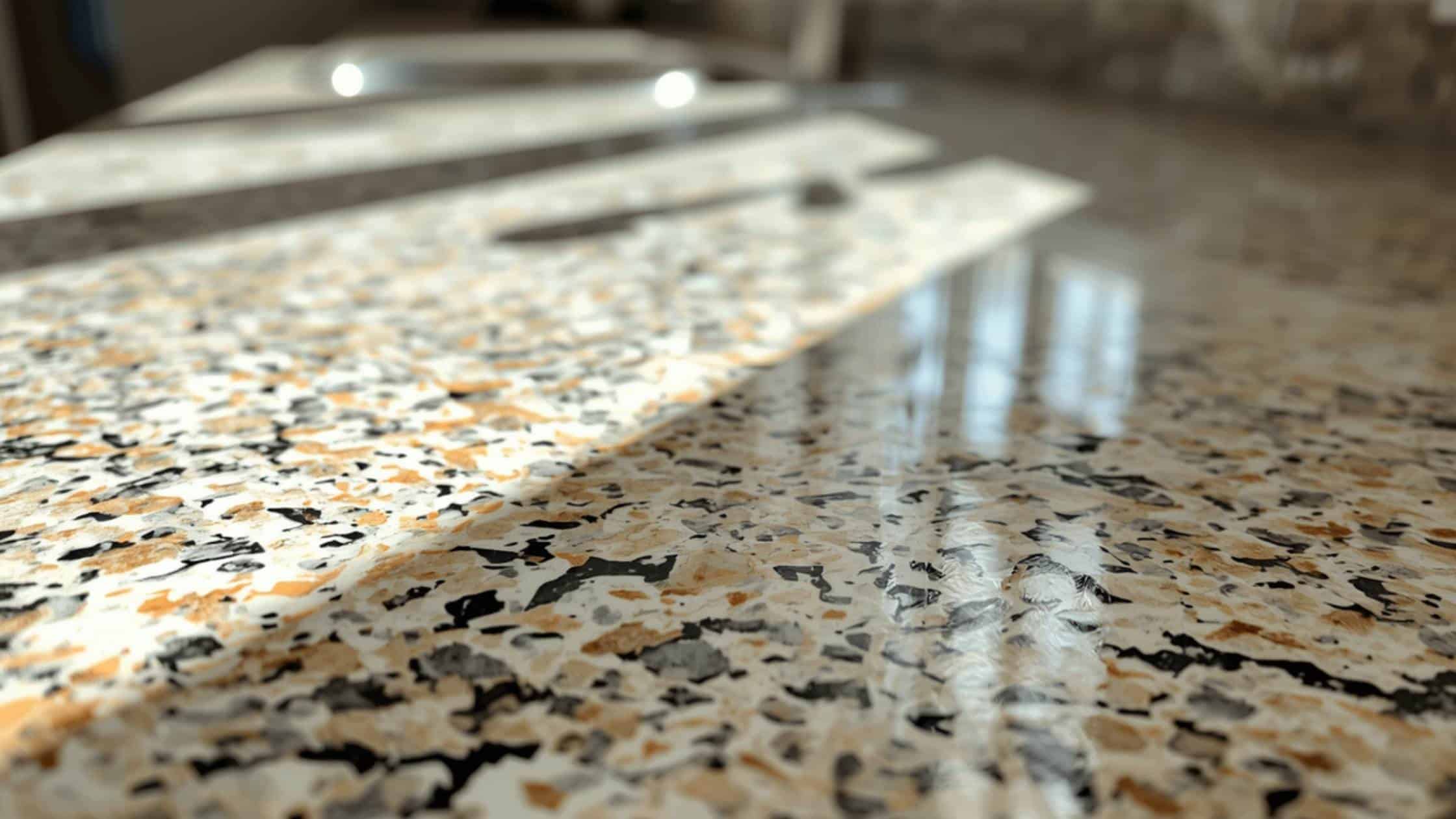
seal granite how often Salt Lake City
Why Granite Needs Sealing and Quartz Does Not
Granite is a natural stone with a crystalline structure that includes microscopic pores. Without a penetrating sealer, liquids — coffee, oil, red wine — can seep into those pores and bond with the mineral structure, creating stains that are extremely difficult or impossible to remove.
Engineered quartz countertops are a different story. Because quartz is manufactured with polymer resins filling all the voids, it has near-zero porosity and does not need sealing. If you are caring for granite specifically, sealing is non-negotiable.
How Often Should You Seal Granite in Salt Lake City?
There is no universal schedule — sealing frequency depends on the granite type, the amount of use your countertops get, and which products you clean with. As a general guide:
- Light-colored or high-porosity granites (light grays, whites, beiges): every 6 to 12 months
- Medium-density granites (standard black, brown, or green tones): every 12 months
- Very dense, low-porosity granites (absolute black, dark verde): every 2 to 3 years, or as needed
In Salt Lake City, kitchens that see heavy cooking use, frequent cleaning with soap-based cleaners, or exposure to acidic foods (citrus, tomato, vinegar) will need sealing on the more frequent end of these ranges. The water test below is always more reliable than a calendar.
The Water Drop Test: How to Know It Is Time
This is the most reliable way to check whether your granite sealer is still working:
- Place about a tablespoon of water on the granite surface and leave it undisturbed
- Check it at 10 minutes and again at 30 minutes
- If the water still beads up and holds a rounded shape after 30 minutes, the sealer is intact
- If the water has flattened, spread, or darkened the stone slightly, the sealer is thinning
- If the stone darkens immediately or the water absorbs within a minute or two, sealing is overdue
Run this test in multiple spots — near the sink, near the cooktop, and in a lower-use area. The zones around the sink and cooktop almost always wear through first.
How to Seal Granite: Step by Step
Most homeowners can seal their own granite in an afternoon. Here is what we recommend:
- Step 1: Clean the surface thoroughly with a pH-neutral stone cleaner and warm water. Remove all residue. Let the surface dry completely — at least one to two hours.
- Step 2: Apply a penetrating stone sealer specifically formulated for granite. Spray or wipe a thin, even coat over the surface. Do not oversaturate.
- Step 3: Allow the sealer to penetrate for the time specified on the product label — typically 10 to 20 minutes.
- Step 4: Buff off any remaining sealer with a clean dry cloth before it dries on the surface. Dried sealer residue can leave a hazy film.
- Step 5: Allow 24 hours before normal use and 48 hours before heavy use or water exposure.
For very porous granites, a second coat applied shortly after the first (while the surface is still slightly tacky) provides better protection. Check the sealer product label for specific instructions.
What Strips Sealer Faster
Some habits accelerate sealer wear and push your next sealing date earlier:
- Cleaning with acidic products — vinegar, citrus-based cleaners, or abrasive pads
- Using the countertop near the cooktop frequently, where heat cycling occurs
- Heavy cutting board use without a board, which microabrades the surface over time
- High-volume use kitchens with multiple cleanings per day
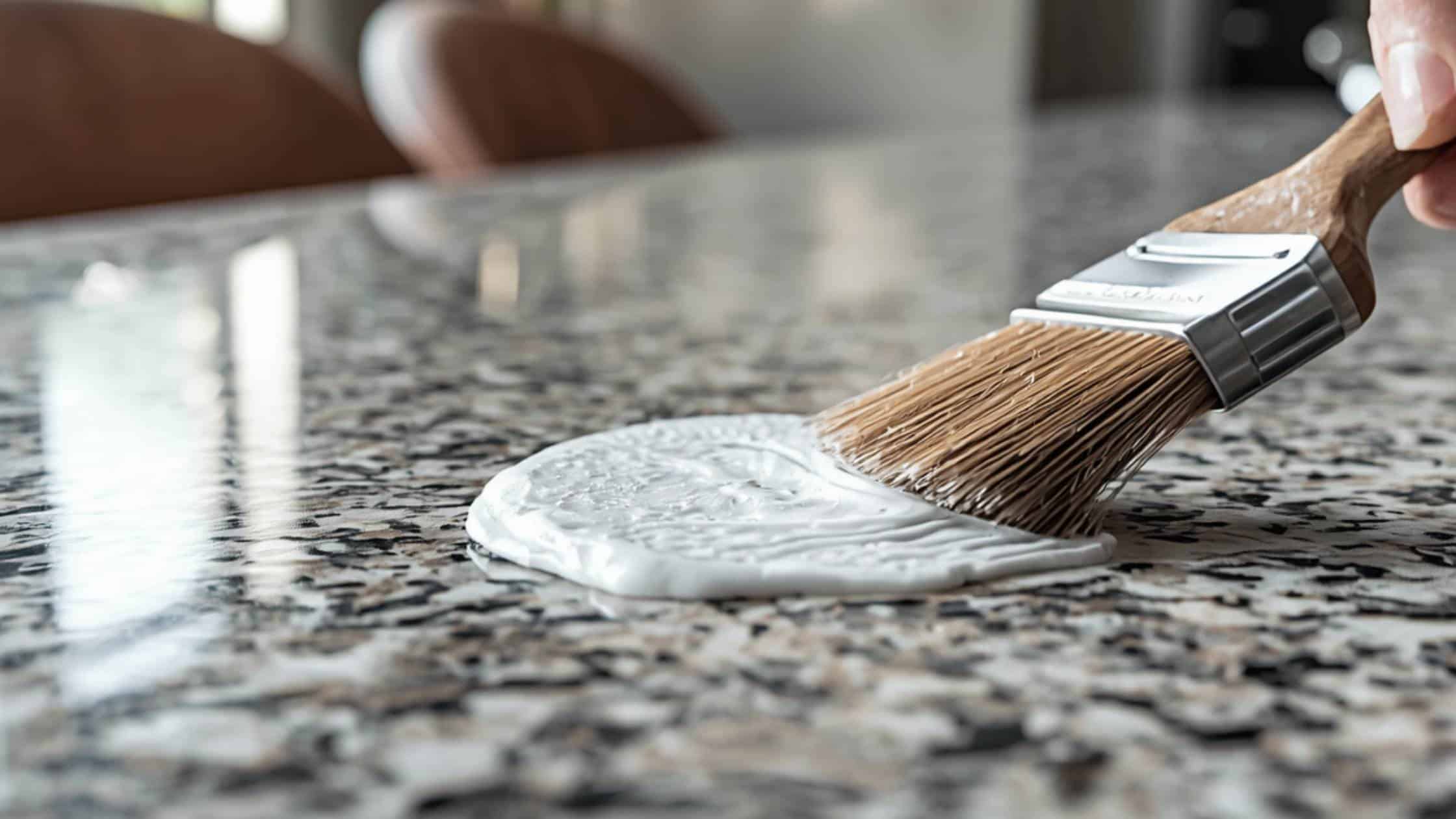
how to test if granite needs sealing
Frequently Asked Questions
Can I use any stone sealer for granite?
Look for a penetrating or impregnating sealer designed specifically for granite or natural stone. Topical sealers (which coat the surface rather than penetrating it) are less effective for kitchen use — they wear away more quickly and can leave a glossy residue that looks unnatural.
What happens if I skip sealing?
Over time, unsealed or under-sealed granite absorbs oils, liquids, and pigments. Minor staining can often be lifted with a poultice, but deep or long-set stains may require professional resurfacing — which is significantly more expensive than a $15 bottle of sealer and an afternoon of your time.
Do outdoor granite countertops need sealing more often in Salt Lake City?
Yes. Outdoor granite in Salt Lake City is exposed to UV, rain, temperature cycling, and grill grease. We recommend sealing outdoor granite at least once per year, and sealing before the winter season specifically to protect against freeze-thaw moisture infiltration.
Granite Questions? Talk to Accent Countertops in Salt Lake City
Whether you are caring for existing granite countertops or exploring a new installation, our team at Accent Countertops is ready to help. Stop by our Salt Lake City showroom or find us on Google Maps to see current slab selections and ask about our installation and care recommendations.