


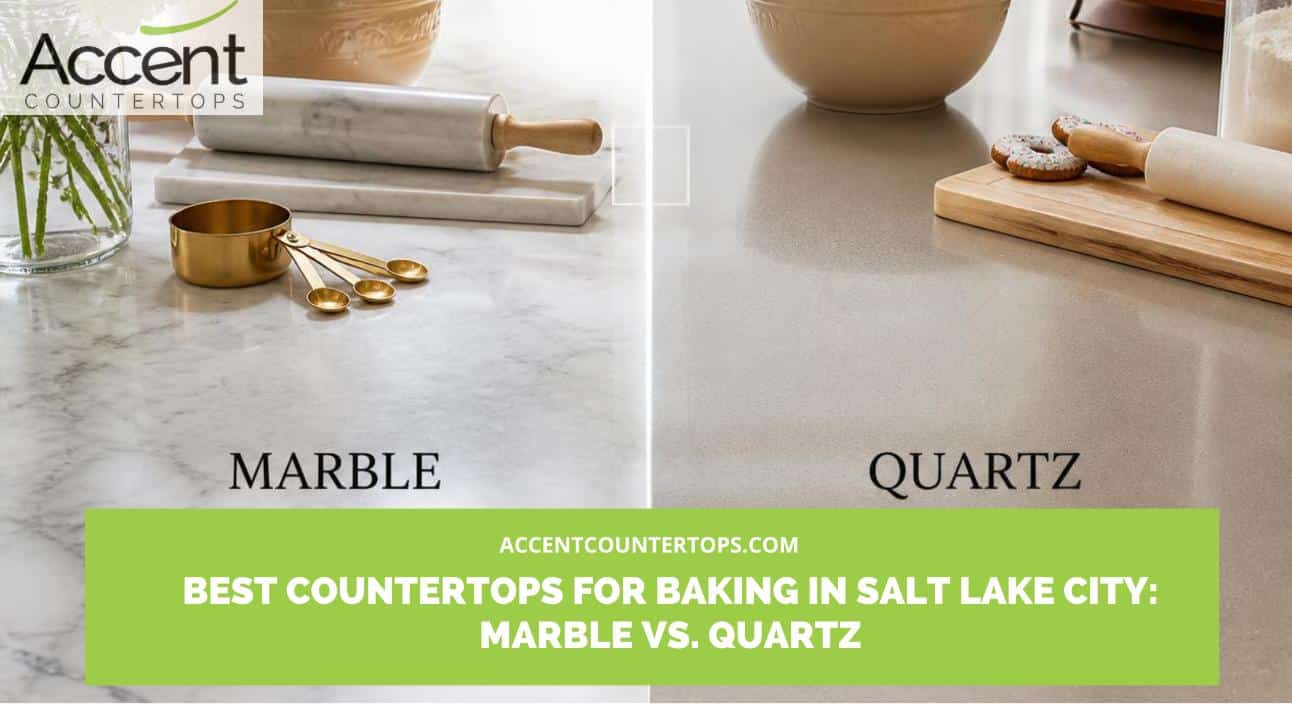
If you roll out pie crust or laminate dough on a regular basis, the surface under your hands matters as much as the recipe. Homeowners across Salt Lake City who bake often ask us the same question during a kitchen consultation: is marble really better for baking, or does quartz hold up just as well? The honest answer depends on how you bake, how much upkeep you are willing to do, and what look you want in your kitchen. In this guide we compare quartz countertops and marble countertops side by side for real baking tasks in Salt Lake City.
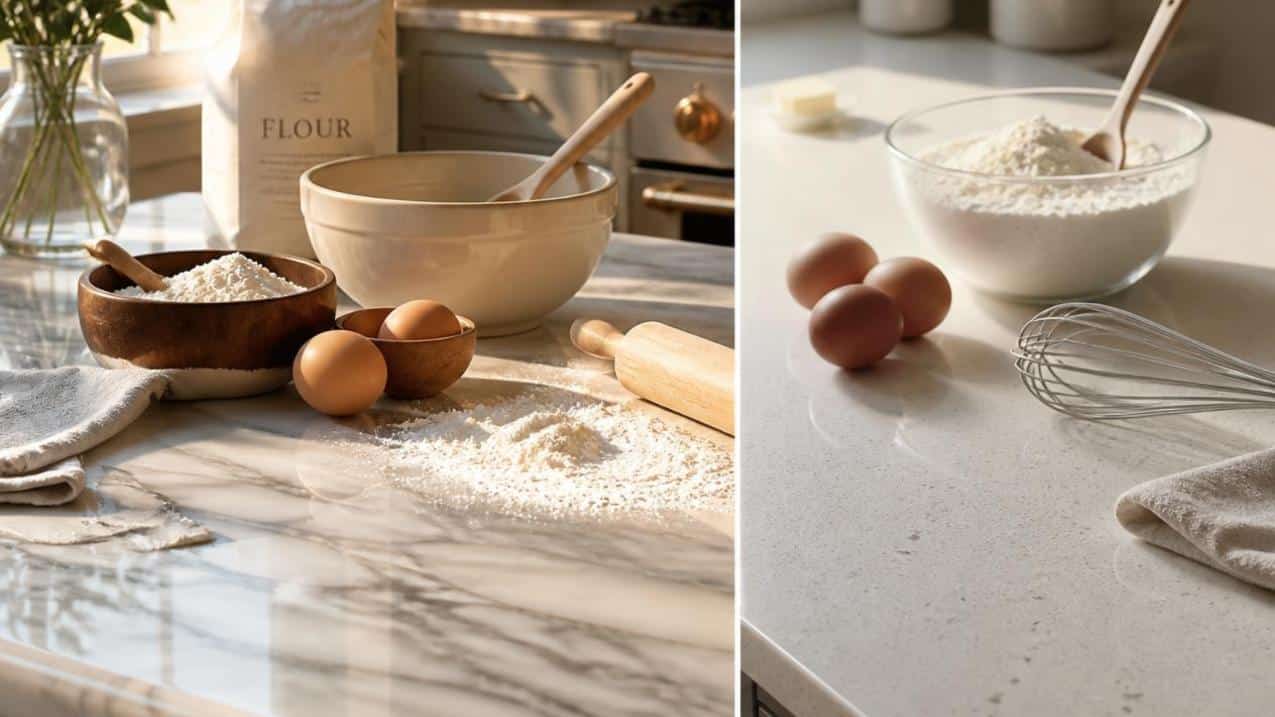
best countertop for baking marble vs quartz Salt Lake City
Why Marble Is the Traditional Baker’s Choice
Marble has a naturally cool surface temperature, which is exactly why pastry chefs have used marble slabs for generations. Butter stays firmer for longer, laminated doughs like croissant or puff pastry are easier to fold without the fat melting into the flour, and the smooth, dense stone gives dough very little to stick to.
That cool touch is a real functional advantage if you make pastry, chocolate work, or bread dough often. A dedicated marble insert or a full marble section of countertop near your prep zone can genuinely improve results for that kind of baking.
Where Quartz Holds Its Own
Quartz will not match marble’s cool touch, but it closes the gap in almost every other category. It resists staining from berries, chocolate, and food coloring far better than natural marble, it does not need periodic sealing, and it stands up to the daily wear of a busy kitchen without etching from citrus, vinegar, or wine.
For a lot of Salt Lake City home bakers, quartz is simply the lower maintenance choice for the rest of the kitchen, with marble reserved for a smaller dedicated baking zone rather than the entire counter run.
- Quartz resists everyday stains from acidic ingredients
- No periodic sealing required
- Consistent color and pattern across the slab
- Marble offers a naturally cool surface ideal for pastry and chocolate
A Hybrid Approach Works for Many Kitchens
Many of our Salt Lake City clients choose quartz for the majority of the kitchen and add a smaller marble inset or a portable marble pastry board for dedicated baking tasks. This gives you the durability of quartz for daily use and the performance of marble exactly where it counts most.
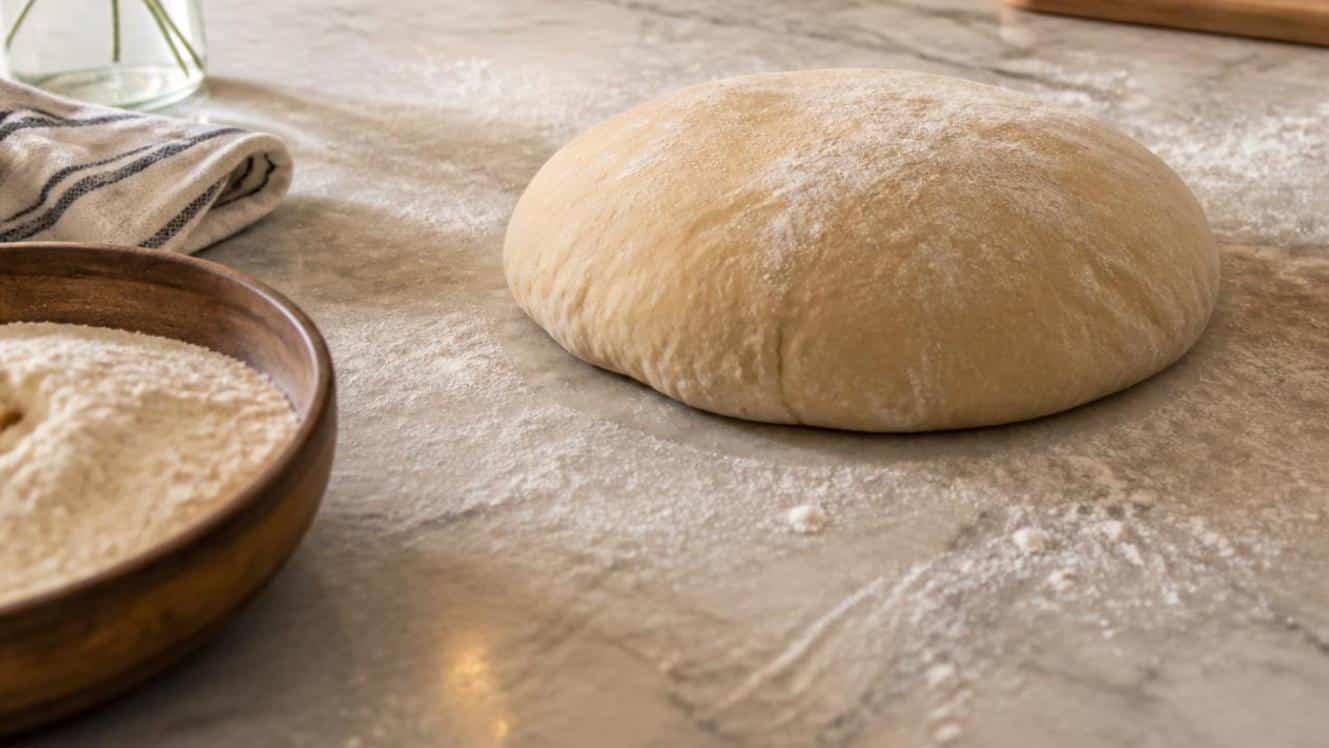
is marble better for pastry
Frequently Asked Questions
Does marble scratch or stain easily in a working kitchen?
Marble is softer than granite or quartz and can etch from acidic ingredients like lemon juice or wine if left sitting on the surface, so a sealed finish and prompt cleanup matter more with marble than with quartz.
Can quartz get as cold as marble for pastry work?
Quartz does not hold cold the way natural marble does, though chilling your dough and tools beforehand helps close that gap for most home baking projects.
Is a small marble insert a realistic option for a Salt Lake City kitchen remodel?
Yes, a dedicated marble insert near your primary prep zone is a common and cost effective way to get the baking benefits of marble without covering the whole kitchen in a higher maintenance stone.
Get Started
Ready to see it in person? Visit our Salt Lake City showroom, browse our full range of materials on our website, or find us on Google Maps and stop by with your inspiration photos.